
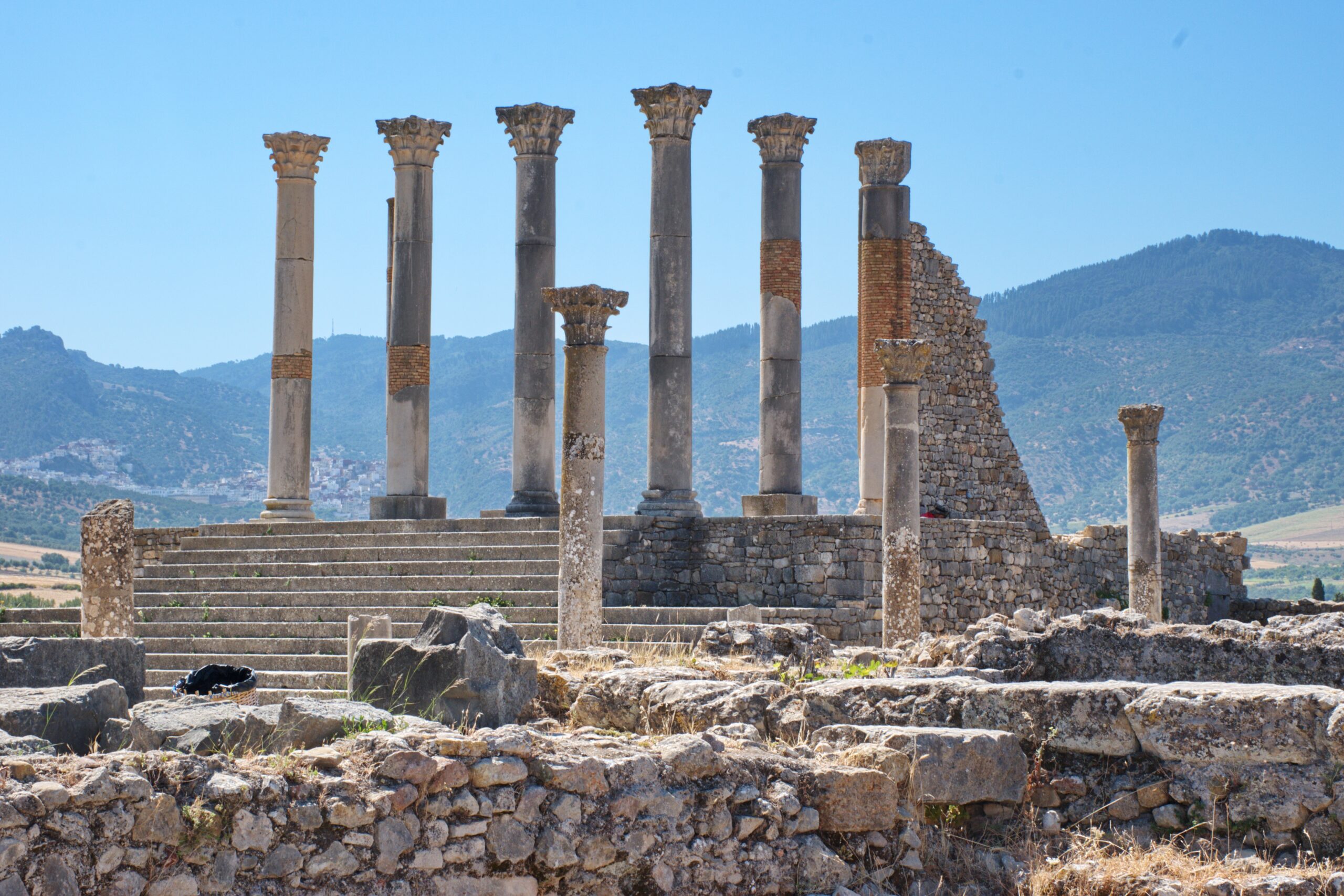
Morocco Travel Guide: Explore the Magic of the Kingdom
Morocco is a land of contrasts — from golden deserts and rugged mountains to vibrant medinas and bustling souks. This guide will help you plan your journey, discover must-see destinations, and experience the best of Moroccan culture, history, and adventure.
1. Best Time to Visit Morocco
Morocco is a year-round destination, but the best time to travel depends on your plans:
-
Spring (March–May): Pleasant weather, blooming landscapes, ideal for trekking and sightseeing.
-
Autumn (September–November): Mild temperatures, perfect for desert tours and city exploration.
-
Summer (June–August): Hot in the south (deserts) and interior cities; cooler in the Atlas mountains and coastal cities.
-
Winter (December–February): Snow in the mountains, mild coastal climate, quieter tourist areas.
2. Top Destinations
Marrakech
-
Famous for its bustling medina, vibrant souks, and historic palaces.
-
Highlights: Jemaa el-Fnaa square, Majorelle Garden, Bahia Palace, Koutoubia Mosque.
Fes
-
Known as Morocco’s cultural and spiritual heart.
-
Explore the Fes el-Bali medina, tanneries, Al Quaraouiyine University, and artisan workshops.
Chefchaouen
-
The Blue City of Morocco, nestled in the Rif Mountains.
-
Perfect for photography, exploring narrow streets, and shopping for local handicrafts.
Casablanca & Rabat
-
Casablanca: Modern city, Hassan II Mosque, corniche.
-
Rabat: Capital city, Oudayas Kasbah, Hassan Tower, royal palaces.
Merzouga & the Sahara Desert
-
Experience camel trekking, sand dunes of Erg Chebbi, luxury or traditional desert camps, sunrise and sunset views.
-
Optional activities: Quad biking, 4×4 desert tours, visiting nomad families, fossil hunting in Erfoud.
Atlas Mountains & Todra Gorge
-
Hiking, trekking, and visiting Berber villages.
-
Stunning landscapes for photography and adventure tourism.
3. Moroccan Culture & Traditions
-
Cuisine: Tagine, couscous, pastilla, Moroccan mint tea.
-
Music: Gnawa in Khamlia, Andalusian music in Fes, and folk songs in the Atlas region.
-
Dress: Traditional Djellabas, kaftans, and headscarves are common, especially in rural areas.
-
Markets (Souks): Handicrafts, spices, carpets, leather goods, pottery. Bargaining is customary.
4. Travel Tips for Morocco
-
Language: Arabic (Moroccan Darija), French widely spoken; English common in tourist areas.
-
Currency: Moroccan Dirham (MAD). Cash is preferred in small towns; cards accepted in big cities.
-
Transport: Trains (ONCF), buses, private cars, and taxis. For desert trips, 4×4 vehicles are recommended.
-
Safety: Morocco is generally safe for tourists; exercise caution in crowded markets and maintain respect for local customs.
-
Clothing: Dress modestly, especially in rural areas and religious sites.
5. Suggested Itineraries
-
3–4 Days: Marrakech, Atlas Mountains, day trip to Essaouira or Ouzoud Waterfalls.
-
5–7 Days: Marrakech → Ait Benhaddou → Dades Valley → Merzouga Desert → Fes.
-
10+ Days: Casablanca → Rabat → Fes → Chefchaouen → Merzouga → Todra Gorges → Marrakech → Essaouira.
6. Desert Experiences
-
Overnight in traditional or luxury desert camps.
-
Camel rides through Erg Chebbi or Erg Chigaga.
-
Sunrise and sunset over the dunes.
-
Optional quad biking, jeep tours, and stargazing nights.
7. Practical Advice
-
Stay hydrated, especially in the desert.
-
Respect local customs and religious practices.
-
Plan transport ahead for long distances.
-
Try local experiences like cooking classes, music sessions, and artisan workshops.
Conclusion
Morocco is a country of vibrant colors, rich history, and unforgettable landscapes. Whether you want cultural immersion, desert adventures, mountain treks, or city exploration, Morocco has something for every traveler. Start planning your Moroccan journey today and create memories that will last a lifetime.